
POWER Center Team
Survivor-centered scientists, advocates, and advisors
The POWER Center is comprised of an experienced and diverse team, consisting of a multi-disciplinary bench of social and behavioral researchers with PhD’s, DrPH’s and PharmD’s, bringing their expertise to drive innovation in patient insights and equity research.
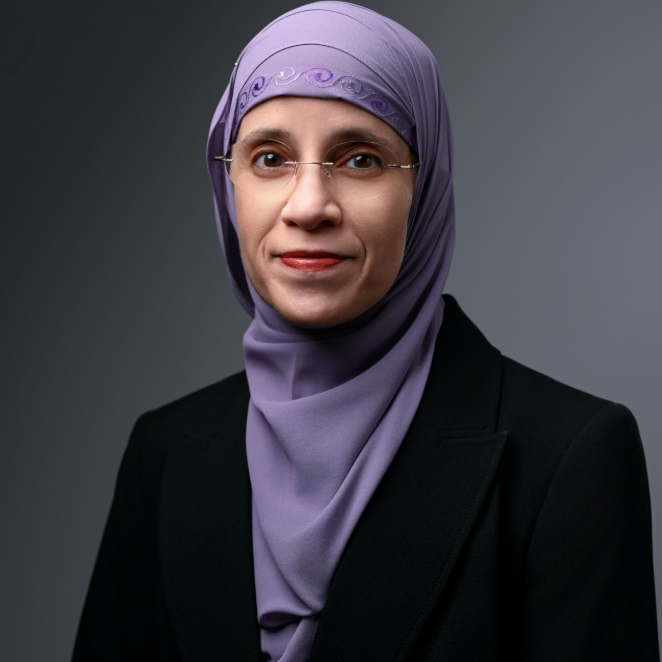
Dr. Susan Jenkins, PhD
Dr. Susan Jenkins is an experienced evaluator with extensive experience measuring what makes programs and policies effective, under which conditions, and for whom. She brings a cooperative, inclusive approach to evaluation, engaging diverse stakeholders throughout the entire lifecycle: from problem definition and design to data analysis and dissemination. Her ability to balance technical expertise with humility enables her to work productively with program staff, service recipients, policymakers, and budget officers, ensuring that each evaluation delivers actionable insights and value across all stakeholder groups. Dr. Jenkins earned her PhD from the University of Michigan and has held multiple roles as a contractor and in the federal government. Most recently, she served as Chief Evaluation Officer at the U.S. Department of Health and Human Services, where she championed the use of evidence to improve health, public health, and human service programs. She has chaired national committees, led communities of practice, and served on the boards of professional evaluation associations. For more than 10 years, she has been an adjunct professor at American University teaching courses on public program monitoring and evaluation. She has been a breast cancer survivor for almost 20 years.

Marita Coker, MS
Marita Elizabeth Coker, MA is a breast cancer advocate, researcher, and community leader with over 13 years of experience serving in roles from volunteer to ambassador, and now as Research and Program Coordinator at the Tigerlily Foundation. She earned her M.A. in Applied Developmental Psychology from George Mason University and will apply to Ph.D. programs in Implementation Science and Behavioral Health Sciences next fall. Her research focuses on advancing evidence-based, culturally competent interventions that improve advocacy and psychological well-being for female breast cancer patients, particularly young women of color.

Krista Peoples, MS, DrPH
Dr. Krista Peoples serves as the Program Support Coordinator at Tigerlily Foundation, conducting qualitative and quantitative research with an aim to center patient voices and experiences. Her previous research has focused on the impact of the ACA on breast cancer screening for black women, obesity risks for African Americans based on energy intake/energy expenditure in rural Alabama and the metabolism of animal feed toxins from farm to fork. As the daughter of a breast cancer survivor, and a graduate of Tuskegee University twice over, she has witnessed firsthand the valid apprehension to seek care and mistrust for healthcare providers within diverse communities. She actively advocates for patient and community centered research through her work within the POWER Center.
In addition to its team members, the Power Center has an extended network of close collaborators including academic institutions, advocacy partners, and other patient insight organizations.
Extended Community
Tigerlily’s anchor program reaches communities nationwide, with a focus on vulnerable communities. Our ANGEL Advocate program recruited 400 ANGEL Advocates in 2023, reaching 2.2 M people in their communities. This extended network as well as those of our community partners give us unparalleled direct reach into trusted populations and authentic perspectives.